Dark Skies and Stargazing
Published on
by Keys Holidays Cottages


Because of its rural nature, and being surrounded by the sea, north Norfolk has some of the darkest skies in Britain, making it the perfect place to gaze at the stars, enjoy the majesty of the night sky, and, if you are lucky, be captivated by the beautiful Northern Lights, which usually put on a show several times a year.
Several sites in the county have been granted dark skies accolades by the UK Dark Sky Discovery Partnership, which means they have a combination of clear skies, good sightlines, minimal light pollution and good public access.
UK astronomers organise one of the UK's biggest stargazing parties in Europe at Kelling Heath Holiday Park every September - and indication of just what a great place north Norfolk is for enjoying the night sky.
Cover image: Yuheng Ouyang/Unsplash
- Table of contents
- Observatories
- The Northern Lights
- Dark Sky Discovery Sites
- Norfolk Coast Dark Skies Festival
- Deepdale Farm Biofluorescent Night Walks
Observatories
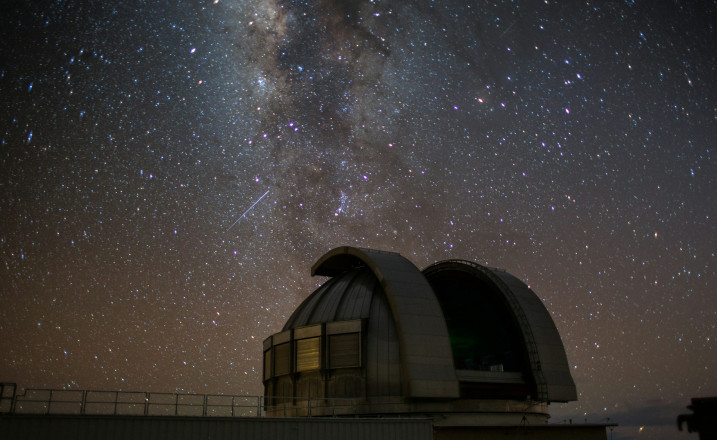
While anyone can watch the night sky with a pair of binoculars, there is no better place to get really immersed in the stars than an observatory - and Norfolk has three to choose from.
Hunstanton Observatory is a solar-powered astronomical observatory, with a visitor interpretation panel of the night sky. It is primarily a venue for groups to hire, which means families and groups can have the place to themselves. The building features a rolling roof, meaning that the whole roof can be rolled away to allow viewing of the sky from within the building. More details at https://www.visitwestnorfolk.com/the-hunstanton-observatory.
The Norwich Astronomical Society runs Seething Observatory at Bungay in south Norfolk. Its two acre site includes two viewing domes, 16 telescope pads and a clubhouse and cabin. Group visits can be booked, which include a talk giving a broadn overview of the solar system and other constellations, followed by looking at the night sky through telescopes. The Society runs a lively programme of public events throughout the year, details of which are available on its website at https://norwichastro.org.uk/.
Also in south Norfolk is the Breckland Astronomical Observatory at Great Ellingham. Run by the Breckland Astronomical Society, the observatory is equipped with a 20-inch reflecting telescope. the Society runs a programme of events, details of which are available on its website at https://www.brecklandastro.org.uk/.
Image: Conner Baker/Unsplash
Find out moreThe Northern Lights
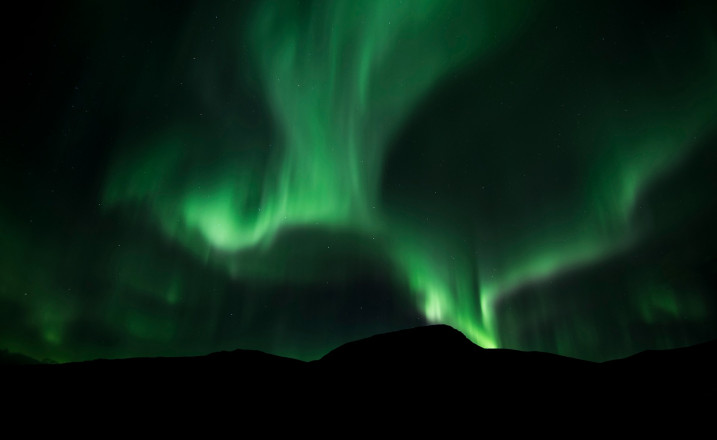
The Northern Lights, or aurora borealis, are a natural phenomenon which comprises an amazing light display in the night sky. Because of its topography and dark skies, north Norfolk is one of the best places in England to observe the Lights, and they appear several times during an average year.
The Lights are the result of disturbances in the Earth's atmosphere caused by solar winds, and they result in an amazing display of ever-changing variety and complexity.
You are most likely to see the phenomenon between 10pm and 2am, when there are clear skies and no clouds. As the name suggests, it is best to look northwards, although during strong magnetic storms, the aurora can appear in other parts of the sky. Sometimes you can observe them using a camera on a tripod by taking a long-exposure photo, even when they are not visible to the naked eye.
Astronomers tend to be able to predict when the Northern lights are likely to make an appearance, so it's a good idea to keep an eye on local media if you are hoping to see them. The AuroraWatch UK website, (see link below) is another good resource which offers aurora forecasts.
Image: Jonathan Bean/Unsplash
Find out moreDark Sky Discovery Sites
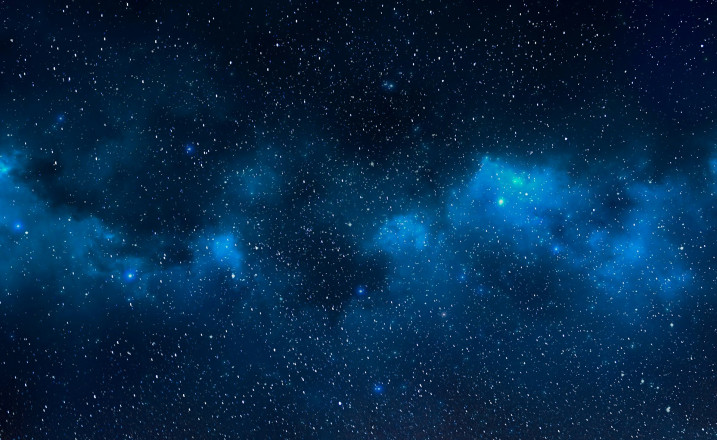
If you want to find the very best sites to go stargazing, the UK Dark Sky Discovery Partnership publishes a list of places which benefit from minimal light pollution, good access and good sightlines of the sky. These are places which are recognised as being so dark, you can easily see the Milky Way with the naked eye.
The highest accolade given to a site is Two Star (Milky Way) status - and we are lucky enough to have four of these sites nearby.
- Kelling Heath Holiday Park is one, and also runs public events to help interpret the night sky, including two Equinox Star parties held each year.
- Wiveton Downs is a very dark, elevated heathland site offering good sightlines in all directions.
- Barrow Common at Brancaster is another dark, elevated heathland site with a spectacular 180 degree view of the northern horizon.
- The RSPB nature reserve at Titchwell Marsh is a very dark site on a raised embankment, surrounded by wetland habitat, and enjoys impressive 360 degree views of the horizon
Image: Alex/Unsplash
Find out moreNorfolk Coast Dark Skies Festival
The Norfolk Coast Dark Skies Festival is a programme of free events run by the Norfolk Coast Partnership during the autumn and winter to celebrate the night skies of the Norfolk coast.
Darkness is essential for wildlife that use it for feeding, hiding from predators, breeding, and resting. It’s also vital for our own health and well-being – it resets our biological clock and reduces stress.
The Festival gives people a chance to come along to range of fun free events, from night-time trail running to biofluorescent woodland walks. It raises awareness of light pollution and encourages people to take small actions to protect our dark skies.
image: Gurpreet Singh/Unsplash
Find out moreDeepdale Farm Biofluorescent Night Walks
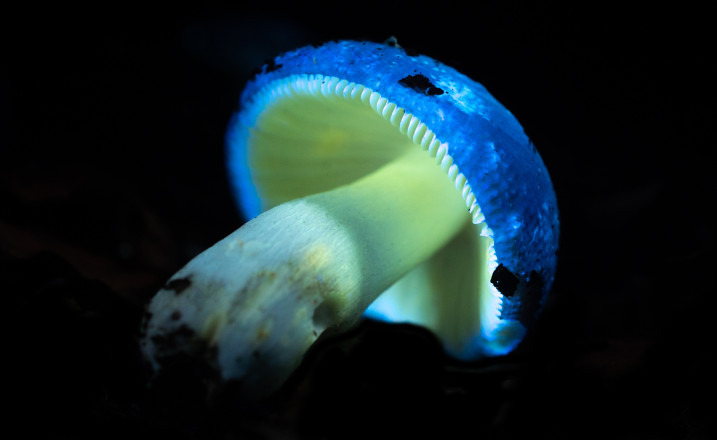
Here is a walk with a difference - the chance to discover the fascinating world of biofluorescence, a unique phenomenon where certain organisms emit light in different colours than the ones they absorb. Equipped with UV torches, walkers are guided through land on Deepdale Farm in Burnham Deepdale to discover this amazing phenomenon up close.
Walkers will witness a stunning display of biofluorescent organisms in their natural habitat, from fungi to insects and plants, and will encounter a diverse array of species that come alive with vibrant hues of green, blue, red, purple, orange, and more, revealing Nature's hidden spectacles.
The 1.5 hour walk is over a maximum distance of two miles, and takes place in the evening on specific dates in October and November.
Image: Reveal Nature
Find out more